
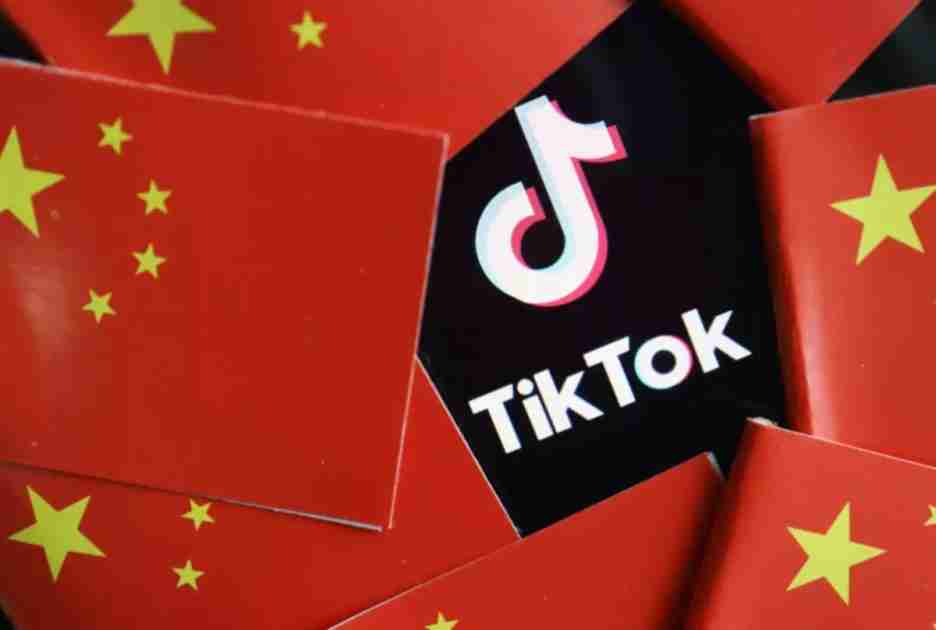
In light of the border disputes, online security concerns, and a general negative sentiment induced by the ignorance of the Chinese Communist party over the COVID pandemic, India has banned over 267 Chinese apps from the June of last year till now in a total of four waves.
The goliaths of the Google play store, such as Tick-tock, PUBG mobile, Share it, and the very widely used UC browser, which was famous for its lightning-fast data downloads, got the axe in India by the government, followed by more apps being banned as the border tension escalated even further.
The Chinese government firstly condemned the Indian government's actions. It said it used national security as an excuse for blatant tyranny but was provided with no relief as matters progressed further.
I SPY WITH MY LITTLE EYE:
To understand why this happened, we need to understand the updates made to the Chinese cybersecurity law in the November of 2016, which forced any private company functioning inside China to dispense each and every bit of data required by the CCP unconditionally, what this means is every person using these apps vulnerable to surveillance by the Chinese government as all of this data is stored locally by China, a policy which surprisingly was not applicable two of its own states namely Hong Kong and Macau which were provided immunity by China's one country two systems policy. This raised more than a few eyebrows worldwide and eventually to Tik-Tok being bought by Walmart and Microsoft in the USA as mandated by the Trump government and an investigation being launched by France and other members of the EU against Chinese apps.
CONSEQUENCES:
Now let’s discuss the result of all this; while the entire nation was mourning the loss of PUBG and Tick-tock, almost all the non-entertainment-related apps already had a non-Chinese alternative present on the Google Play Store, so the damage was mostly limited to bored teenagers and Tick-tock celebrities who had to find a new app quickly and build their following on it.
This also created a bit of a vacuum for the Indian developers to fill, and the recent conflict with our northern neighbour acted as a catalyst to this process.
Action movie superstar Mr Akshay Kumar announced the Indian military Shooter for mobile phones named Fearless and United Guard(FAU-G), which gained a huge amount of popularity and currently stands at 5 million downloads on the Play store, when you type Tick-tock on the Google Play store the first result is MX Takatak, an app that wears it’s Indian heritage as a badge, with a whopping 100 million downloads it is safe to say something went very right, on typing UC browser the first result is New UC Browser-fast Indian browser with a respectable 10 million downloads.
These are some of the most popular examples of the apps that faired well from this ban, but these are far from the only ones as we saw Indian developers launch new apps and re-label existing ones as Indian-made to boost their popularity.

CONCLUSION:
All this in conjunction made way for more opportunities domestically for people to create, share, and earn on a previously almost untapped market while avoiding any cybersecurity breach from a potential threat.
The company behind PUBG mobile, Bluehole, had to partner with the Chinese company Tencent to launch PUBG to the Chinese audience. As a country, we should mandate such laws over foreign countries publishing digital products in India. It will provide us with much more secure cyberspace and create more opportunities for people to enrol.


0 Comments: